The ISTP Writing Personality: Extreme Knowledge

If you’re not failing every now and again, it’s a sign
you’re not doing anything very innovative
. —Woody Allen

Can knowing about personality type make you a more effective writer?

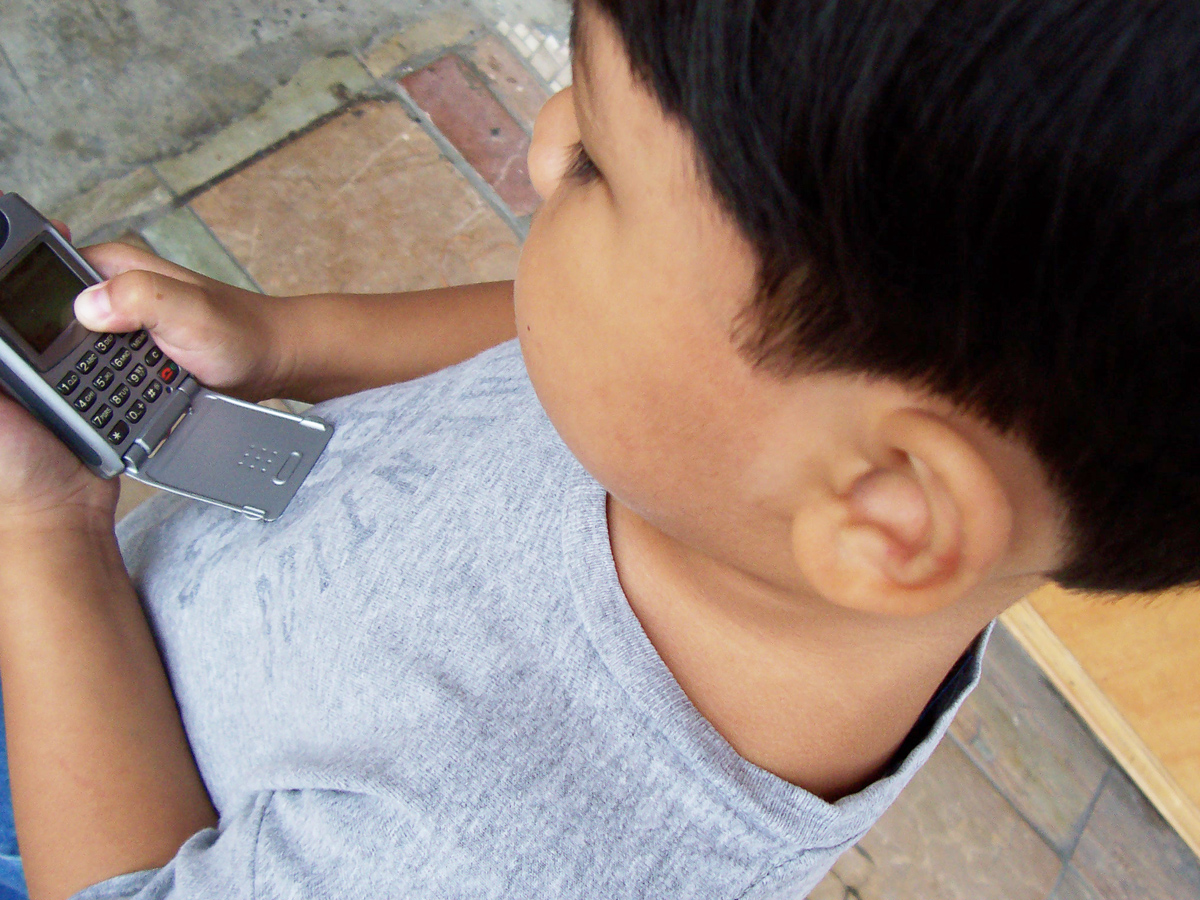
ISTP writers are keen observers with a vast store of knowledge on subjects that interest them. They enjoy learning about gadgets, about how they work and what problems they were invented to solve. Independent thinkers, ISTPs  tend to be unswayed by other people’s expectations. ISTPs research a topic thoroughly before writing about it and base their conclusions on comprehensive, proven data.

The ISTP personality type is one of 16 identified by the Myers-Briggs Type Indicator, a popular psychometric instrument used to determine how people prefer to gather information and make decisions. The initials ISTP stand for the following: Continue reading “The ISTP Writing Personality: Extreme Knowledge”

The ISFP Writing Personality: Quiet Music

The meaning of life is contained in every single expression of life. It is present
in the infinity of forms and phenomena that exist in all of creation.

Michael Jackson

Can knowing your personality type help you grow as a writer?

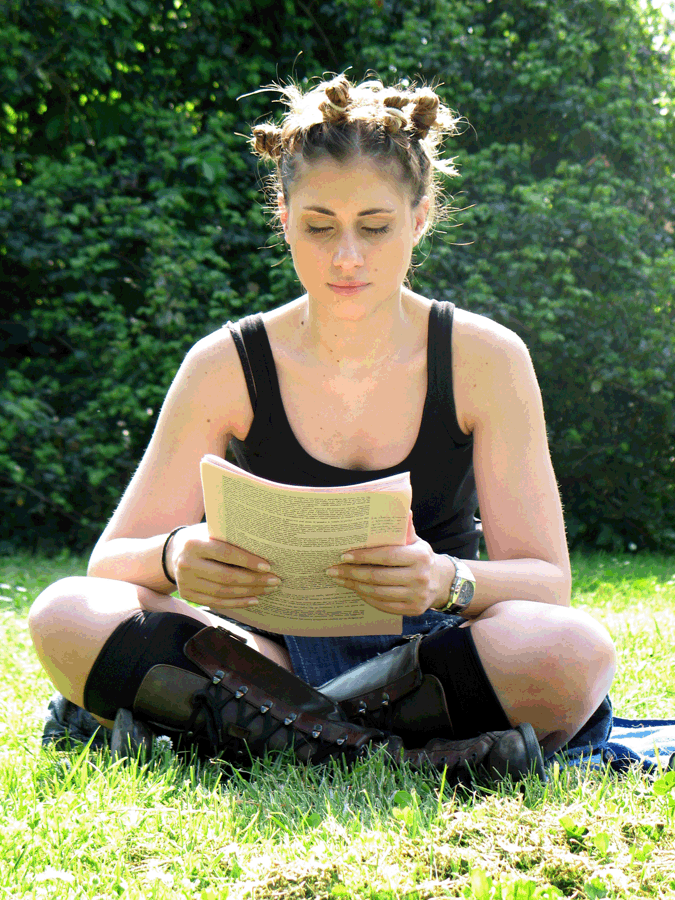
ISFP writers are acutely aware of the sensations in their physical world. They are adept at conveying the feelings associated with texture, color, and sound. ISFPs want to connect with their audience on a personal level and can have difficulty writing if unsure of the audience’s expectations. Their focus on others is so strong that they may hesitate to express their own deeply held beliefs. But if they learn to trust their voice, they can communicate their gifts of quiet joy and keen perceptions to their readers.

The ISFP personality type is one of 16 identified by Isabel Myers and her mother, Katharine Briggs. Influenced by Carl Jung’s book Psychological Types, Myers and Briggs were the original authors of the Myers-Briggs Type Indicator, a popular psychometric instrument used to determine how people prefer to gather information and make decisions. The initials ISFP stand for the following: Continue reading “The ISFP Writing Personality: Quiet Music”

The ESFP Writing Personality: Spontaneous Joy

The artist is a receptacle for emotions that come from all over the place: from the sky,  from the earth,
from a scrap of paper, from a passing shape, from a spider’s web.—
Pablo Picasso

Can knowing your personality type help you become a better writer?

ESFP writers are positive and enthusiastic. They use humor and a sense of fun to foster harmonious interactions between people. They’re intensely aware of their physical surrounding and have an exuberant desire to experience life. They enjoy catchy phrases and are adept at using language to capture the essence of a moment.

The ESFP personality type is one of 16 identified by the Myers-Briggs Type Indicator, a popular psychometric instrument used to determine how people prefer to gather information and make decisions. The initials ESFP stand for the following: Continue reading “The ESFP Writing Personality: Spontaneous Joy”

The ESTP Writing Personality: Bold Action

A lot of people are afraid to say what they want.
That’s why they don’t get what they want
.
—Madonna

Can knowing your personality type improve your writing success?

ESTP writers are action-oriented. They focus on facts to solve concrete problems. They want goals and expectations to be established up front. They have little regard for rules that don’t help them meet their objectives.

The ESTP personality type is one of 16 identified by the Myers-Briggs Type Indicator, a popular psychometric instrument used to determine how people prefer to gather information and make decisions. The initials ESTP stand for the following: Continue reading “The ESTP Writing Personality: Bold Action”

The INFJ Personality and the Search for the Perfect Relationship

According to PersonalityDesk.com, INFJs are the Myers-Briggs type most likely to express marital dissatisfaction. When I first read this, it puzzled me. After all, INFJs are adept at solving problems involving people.

In fact, INFJs are so good at solving problems that they may unconsciously scan their environment looking for ways to improve relationships. This, I think, is what leads to the dissatisfaction.

According to Dr. Phil, 90% of relationship problems can’t be solved. Why? Because it would require one person or the other to compromise their values. So the best a couple can do is to agree to disagree.

INFJs don’t want people to compromise their values—yet that 90% statistic is bound to discourage INFJs like me. I suspect it isn’t the relationship problems themselves that lead to the INFJs’ dissatisfaction; it’s the fact that the problems can’t be solved. Perhaps the INFJs feel that if only they could be more creative, or their partner could be more flexible, the little annoyances that have existed since the first day of the relationship could be eliminated. Not so. No amount of skill or understanding will make naturally ingrained differences go away.

Perhaps this is what draws me to writing women’s fiction. I can create relationship problems, which I can then go about solving, without hurting anyone but my fictional characters in the process. Real life, unfortunately, doesn’t work that way. The INFJs’ search for perfection can damage otherwise good relationships. So I propose a revised Serenity Prayer for INFJs: God grant me the serenity to accept the things I cannot change. Period.

Related posts:
The INFJ Writing Personality: Eloquent Vision
The Truth About the Myers-Briggs Personality Types

The ENTP Writing Personality: Energetic Innovation

Obedience hardly ever begets innovation.
—Neil deGrasse Tyson

Can learning about personality type help you make the most of your natural writing style?

ENTP writers enjoy the pre-writing stage. They may come up with many good ideas quickly. Often skilled at detecting patterns and envisioning outcomes, they trust their insight and resist prescribed methods. The writing process itself may prove tedious to them, but if they persevere, their work is often  thorough and multifaceted.

The ENTP personality type is one of 16 identified by the Myers-Briggs Type Indicator, a popular psychometric instrument used to determine how people prefer to gather information and make decisions. The initials ENTP indicate the following: Continue reading “The ENTP Writing Personality: Energetic Innovation”

The INTJ Writing Personality: Creative Precision

Neither a wise nor a brave man lies down on the tracks of history
to wait for the train of the future to run over him
.
—Dwight Eisenhower

Can knowledge of personality type make you a better writer?

INTJ writers are single-minded in their pursuits. They tend to envision the conclusion even before they begin writing. With a talent for analysis, they’re skilled at communicating about technical subjects. But pragmatic INTJs tend to dismiss subjects that don’t seem rational or useful. Visualizing the big picture, they integrate the theoretical with the practical.

The INTJ personality type is one of 16 identified by the Myers-Briggs Type Indicator, a popular psychometric instrument used to determine how people prefer to gather information and make decisions. The initials INTJ stand for the following: Continue reading “The INTJ Writing Personality: Creative Precision”

The ENTJ Writing Personality: Confident Clarity

I love argument, I love debate. I don’t expect anyone
just to sit there and agree with me, that’s not their job.

—Margaret Thatcher

Can knowledge of personality type increase your writing success? If you’re an ENTJ, here’s how personality can affect your writing:

ENTJ writers are natural strategists, structuring their ideas before they begin writing. With their clear, coherent reasoning, they’re adept at unraveling complex material. But goal-oriented ENTJs will grow skeptical if the project seems to serve no useful purpose. Practical and efficient, they have little patience for activities or arguments they find illogical.

The ENTJ personality type is one of 16 identified by the Myers-Briggs Type Indicator, a popular psychometric instrument used to determine how people prefer to gather information and make decisions. The initials ENTJ stand for the following: Continue reading “The ENTJ Writing Personality: Confident Clarity”

The ENFJ Writing Personality: Expressive Harmony

I think education is power. I think that being able to communicate
with people is power. One of my main goals on this planet is to
encourage people to empower themselves.
—Oprah Winfrey

Do you believe personality affects your writing style?

ENFJs are natural communicators, both in writing and in speech. They write to express their values and to forge human connections. ENFJ writers enjoy projects that allow them to indulge their creativity and to establish their own goals. They are organized but sometimes impatient, which can lead them to skimp on facts that support their conclusions. If you’re an ENFJ, you may find it helpful to slow down and explore the landscape rather than racing toward the finish line.

The ENFJ personality type is one of 16 identified by the Myers-Briggs Type Indicator, a popular psychometric instrument used to determine how people prefer to gather information and make decisions. The initials ENFJ stand for the following: Continue reading “The ENFJ Writing Personality: Expressive Harmony”

The ENFP Writing Personality: Imaginative Voice

No one is useless in this world who lightens the burdens of another.
—Charles Dickens

Are you curious about how your personality might affect your writing style?

ENFP writers are creative souls with an ear for language. They find abundant inspiration in the world around them. But they can lose steam quickly if the topic is dull, which can lead to procrastination and missed deadlines. If you’re an ENFP, you’ll likely find that talking about the topic with others can help you maintain your interest and discover new approaches. Too much isolation can make writing a chore.

The ENFP personality type is one of 16 identified by Isabel Myers and her mother, Katharine Briggs. Myers and Briggs are the original authors of what is now known as the Myers-Briggs Type Indicator, a popular psychometric instrument used to determine how people prefer to gather information and make decisions. The initials ENFP stand for the following: Continue reading “The ENFP Writing Personality: Imaginative Voice”