Perceiving Writers: Pushing the Limits

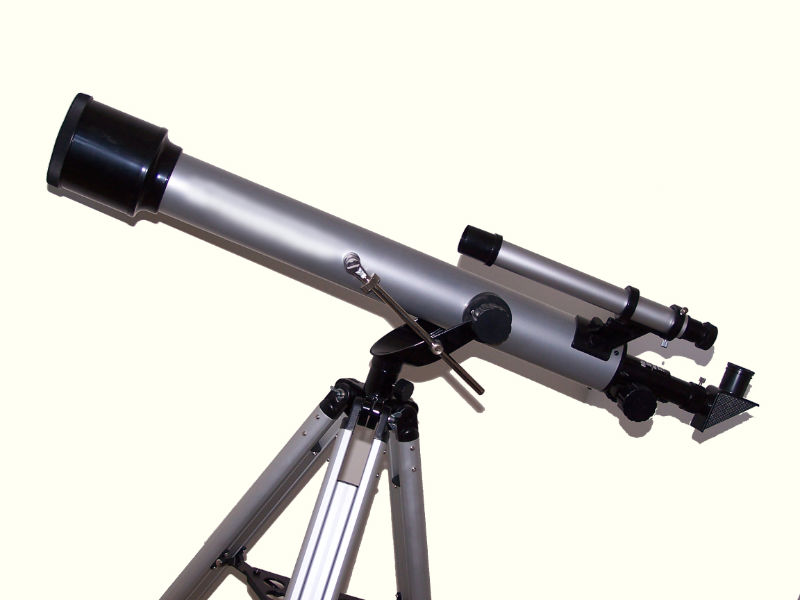
image of a telescopeWriters with a preference for perception approach a subject from different angles. With their drive to explore, they don’t want to wrap up a project until forced to by the pressure of a deadline. Without that pressure, they can meander endlessly, failing to complete projects and collect the rewards of their hard work. How can perceiving writers honor their curiosity while producing results?

In an earlier post, I wrote about the importance of following your natural tendencies when writing a first draft. Then, during the editing process, you can go back and fill in the elements you missed.

Natural tendencies of perceiving writers

Those who prefer perception are inquisitive and spontaneous. Seizing opportunities as they arise, these writers like to experiment and discover solutions through serendipity.

Perceiving types are flexible and like to improvise. Decisions are postponed until the last minute in case new information comes to light. These types don’t mind uncertainty, and they’re not thrown off-balance by the unexpected, as judging types often are.

Deadlines don’t loom over perceiving types. They’re certain they’ll finish on time, even if they don’t know how.

These writers mull over their topic and conduct research before writing. They explore the subject thoroughly so they don’t miss anything. Their first drafts tend to be wide-ranging and somewhat disorganized.

Perceiving types work in spurts toward their final goal, following ideas as they occur. Interim milestones aren’t useful, because these types change their focus as new information arises. Since deadline pressure motivates them to complete a project, they work right up until the last moment.

As they mature, perceiving writers become more decisive and organized while retaining their curiosity and openness. They learn to trust their need to explore a topic thoroughly and their ability to pull it all together at the last minute.

Filling the gaps

If you’re a perceiving writer, verify the time requirements for completing the job. Work backward from the deadline to determine when you have to start. Ensure that all the resources you need are in place so you don’t get into a bind.

Test your assumptions about the scope of the work (for instance, make sure the photos in your source material are print-quality).  To avoid a time crunch at the end, set goals to measure progress.  Establish a cut-off point for conducting research so you have enough time to write.

After the first draft, narrow the subject. Identify and cut any extraneous information. If it’s not relevant to the reader’s immediate task or goal, move the information to an appendix or delete it.

Even if you don’t write an outline, develop an organizing framework. Present the material in a focused way. At the end of the project, be judicious about making last-minute changes. Consider the impact on other team members. Avoid risking the deadline.

If you’re feeling blocked, learn to say no. Don’t over-commit, and don’t work on so many projects at once that you’re not able to finish any of them. That energy boost you get as a deadline approaches won’t make up for a lack of sleep. Take care of yourself so you can put your best into your projects.

Judging Writers: Getting It Done

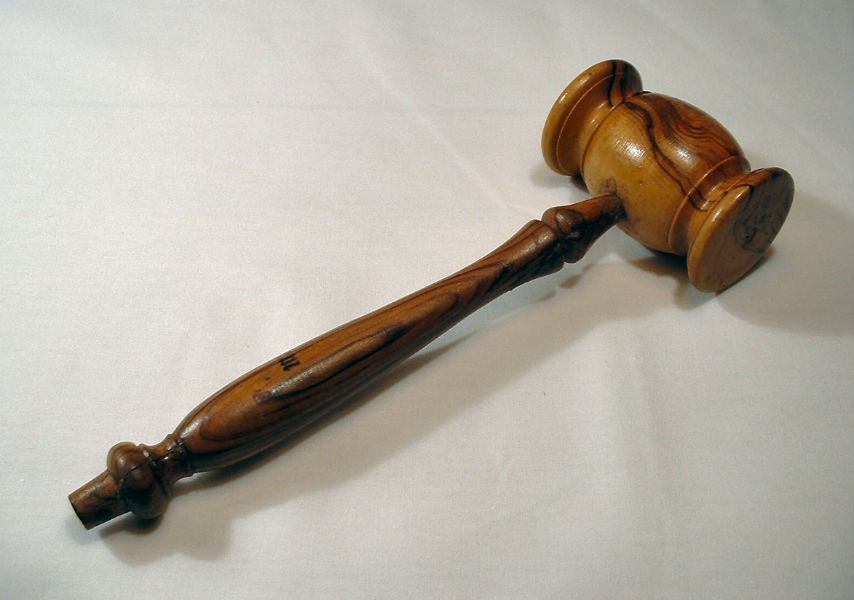
image of a gavelWriters who prefer judgment like to start projects early, work at a steady pace, and finish before the deadline. When unexpected developments threaten the schedule, they can have trouble adapting. How can judging writers honor their need to plan, while remaining open to new ideas that arise?

In an earlier post, I wrote about the importance of following your natural tendencies when writing a first draft. Then, during the editing process, you can go back and fill in the elements you missed.

Natural tendencies of judging writers

People who prefer judgment are decisive. They tend to be orderly in their approach, preparing a mental map of how they expect events to unfold. Uncertainty and surprises leave them unsettled.

Precise and consistent, judging types strive to be right. With a goal of finishing projects, they prefer to devise solutions, wrap up loose ends, and move on.

Judging writers begin a project by writing down their initial thoughts. Narrowing their topic early helps limit the scope of their work. Their early drafts are skeletal, and revision focuses on fleshing out ideas.

Interim milestones help keep judging types on track. These writers pad the schedule and make contingency plans, working steadily toward their goal. Since they prefer to work on one project at a time, they’re often eager to finish one so they can begin another.

As they mature, judging writers learn to schedule time for flexibility. The pre-writing phase becomes an opportunity to reread material, discuss it with others, and conduct more research. When revising their draft, they elaborate on their points and soften their statements to sound less didactic

Filling the gaps

If you’re a judging writer, chances are, you have a clear idea of how things ought to be. So you may not feel a strong drive to conduct research. Larry Kunz suggests that judging types include the research step as a milestone in the schedule, to ensure that it isn’t overlooked.

Stay curious. Avoid narrowing your subject too soon. Don’t let preconceived ideas limit you, and don’t resist new ideas that require you to circle back to part of the project you thought was complete. Include any important new information that arises, even if it means you have to readjust your schedule.

If working with a group, try to stay flexible if other members of the team want to take a different approach. Choose your battles wisely. Also, take time out for fun activities. Your best ideas may come while you’re going for a walk or working in the garden. Spend time away to gain a new perspective. You’ll feel refreshed and be even more productive

If you’re feeling blocked, think of Franz Kafka: over his desk, he had the word, “Wait.” Don’t write before you’re ready. Give your ideas a chance to develop. You may be surprised at how they mature over time.

Feeling Writers: People Who Need People

Statue of mother reading to childWriters who prefer feeling focus on human connections. Often motivated to write by their deeply held beliefs, they speak from the heart. But without facts to support their position, they may fail to persuade an audience. What can feeling writers do to ensure objectivity and frame an effective argument?

In a previous post, I wrote about the importance of following your natural tendencies when writing a first draft. Then, during the editing process, you can go back and fill in the elements you missed.

Natural tendencies of feeling writers

People who prefer feeling judgment value harmony in relationships. Generally tactful in their communication, they are empathetic to the concerns of others.

Feeling types consult their emotions when making decisions, yet they use feeling rationally. Rather than being blinded by emotion, they tend to make better decisions when taking personal needs into account.

People who prefer feeling are enthusiastic in their approach to new ideas. They tend to trust other people’s opinions, looking for points of agreement before considering potential weaknesses. When interacting with others, they may keep negative observations to themselves (and may think that you should, too).

Feeling types are drawn to writing by a desire to motivate others. They organize their material through a sense of flow. Topics may not be clearly defined, but instead transition naturally from one to the next. Their work tends to read more like a narrative than a report. They may use anecdotes to illustrate their point, and consider personal stories a part of audience analysis.

Feeling writers invest themselves personally in their material. They want to make the world a better place. In technical writing, this may mean helping a reader complete a task efficiently. They are passionate about user experience, focusing on expression and audience reaction.

As they mature, feeling writers may build on their personal values to convey factual or technical information. They learn to remove themselves from their writing, even though they’re likely to feel deeply connected to it.

Filling the gaps

Feeling types can have trouble expressing themselves objectively until they write down their subjective reactions first. If you’re a feeling writer, it might help to free-write your gut reactions to the subject, even if you can’t use any of the material, to cleanse your palate before the real writing begins.

Don’t over-focus on expression. Avoid wordsmithing during the first draft, since material may get cut or changed later. Make sure the organization is clear and coherent—that topics flow logically without jumping around. Research the material and gather data to support your beliefs. Be open to changing your mind if the facts surprise you.

In technical communication, remember that content is more important than expression. Be direct. Don’t soften your statements. Use the imperative. Make sure you understand the material so you can explain it accurately. Edit the material to be concise—this saves money on printed documents and on translation, and it makes it more likely that customers will read the manual. Don’t offer multiple ways to do a task—choose the clearest one, then offer shortcuts in an appendix.

If you’re feeling blocked, list your personal values and brainstorm how the topic connects to them. When editing other people’s work, think of it as expressing an opinion. You’re offering suggestions and asking for clarity. It’s okay to be tactful but honest. You’re a mentor, not a critic.